Understanding Hull Fouling and Its Impact
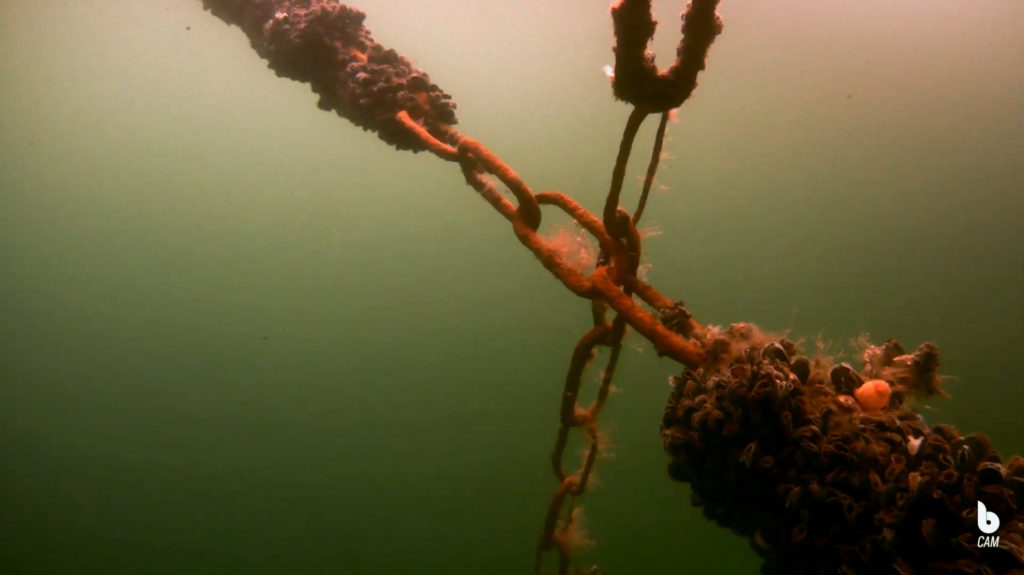
One of the most common and costly challenges in the maritime industry is hull fouling—the accumulation of crustaceans, algae, and rust on a ship’s underwater surface. Over time, this biological growth increases the frictional resistance of the hull as it moves through the water. The result? Ships require significantly more fuel and propulsion power to maintain cruising speed.
This increase in drag leads to higher operational costs, reduced voyage efficiency, and increased carbon emissions, posing a threat not just to budgets, but to regulatory compliance and environmental sustainability as well.
Anti-Fouling Coatings: A Key Preventive Measure
To combat this, many ships are treated with specialized anti-fouling coatings. These coatings form a protective layer that discourages marine organisms from adhering to the hull. When applied correctly, they can dramatically reduce the rate of fouling, helping vessels remain smooth, fast, and fuel-efficient over longer intervals.
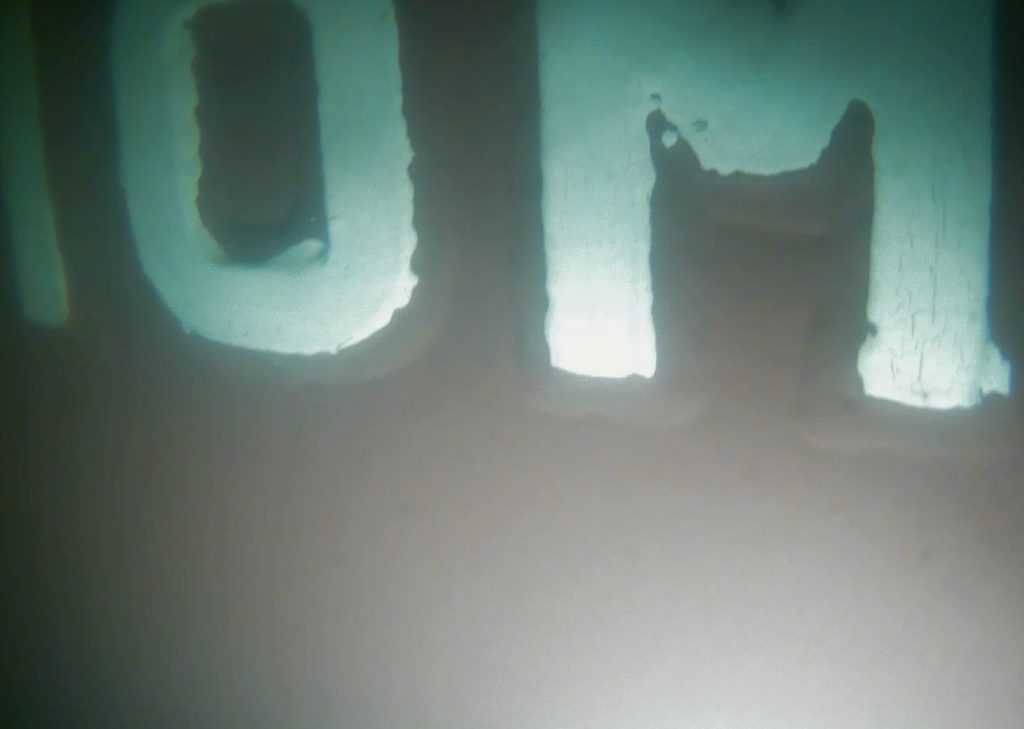
In the example shown below, the main hull surface of the vessel is free from visible algae due to the use of such an anti-fouling coating. However, the white depth markings, painted with a standard marine paint, clearly show signs of algae accumulation. This contrast effectively highlights the protective capabilities of anti-fouling systems.
Why Underwater Inspections Are Critical
Despite the benefits of anti-fouling coatings, they are not a “set-and-forget” solution. Over time, coatings can degrade, become damaged, or fail in specific areas. This is where underwater inspections become essential.
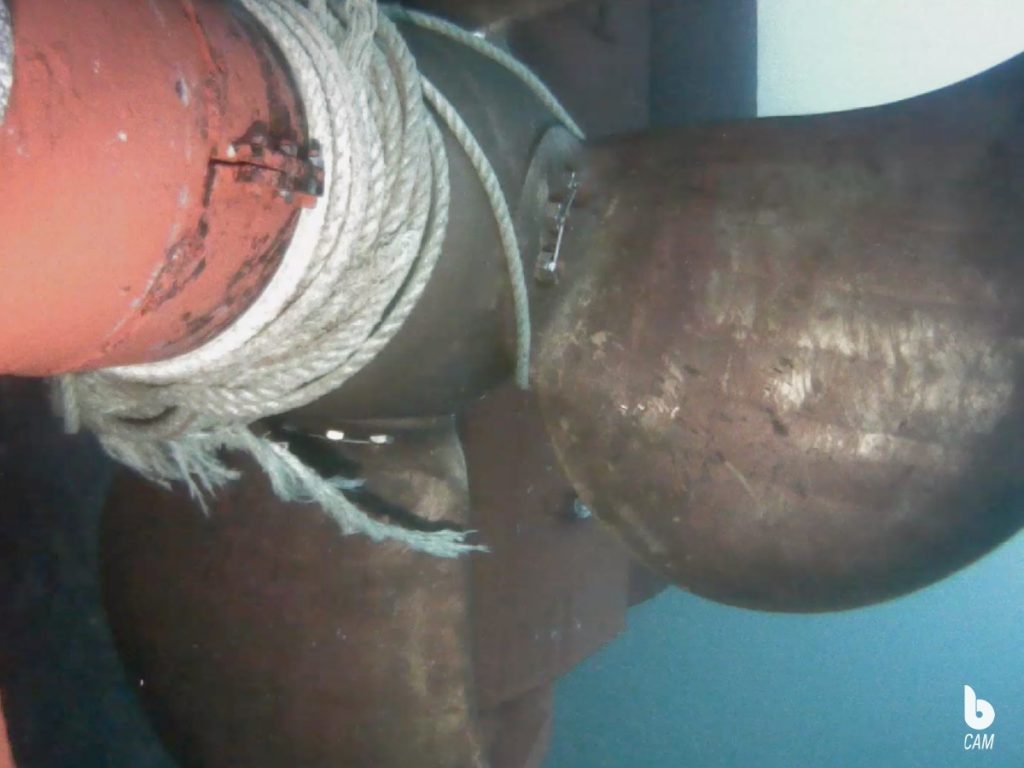
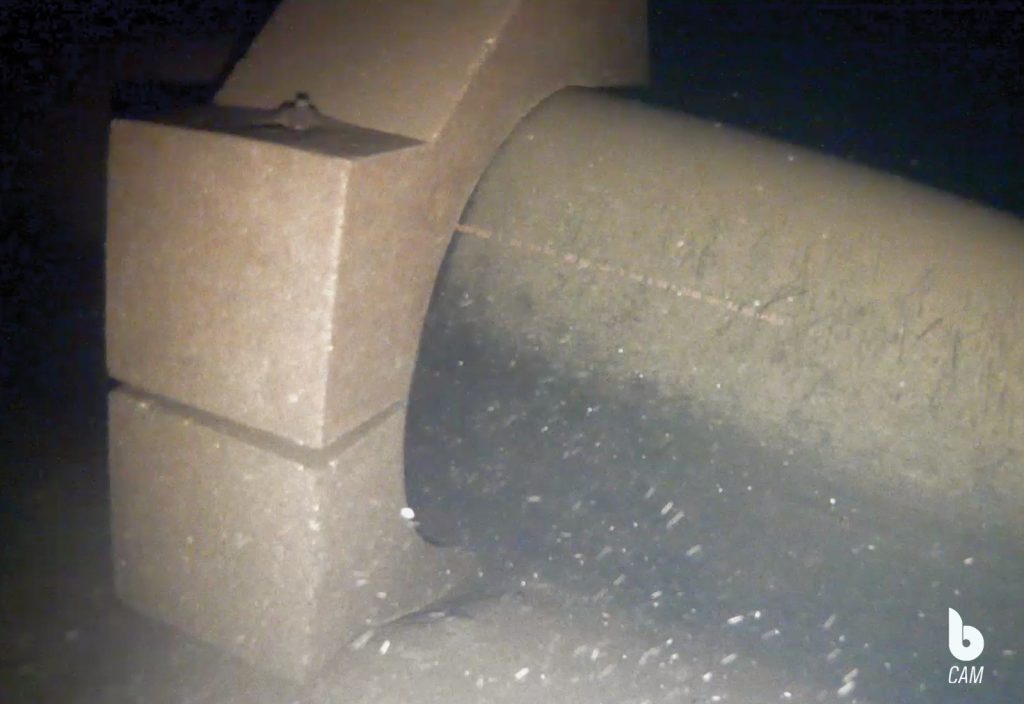
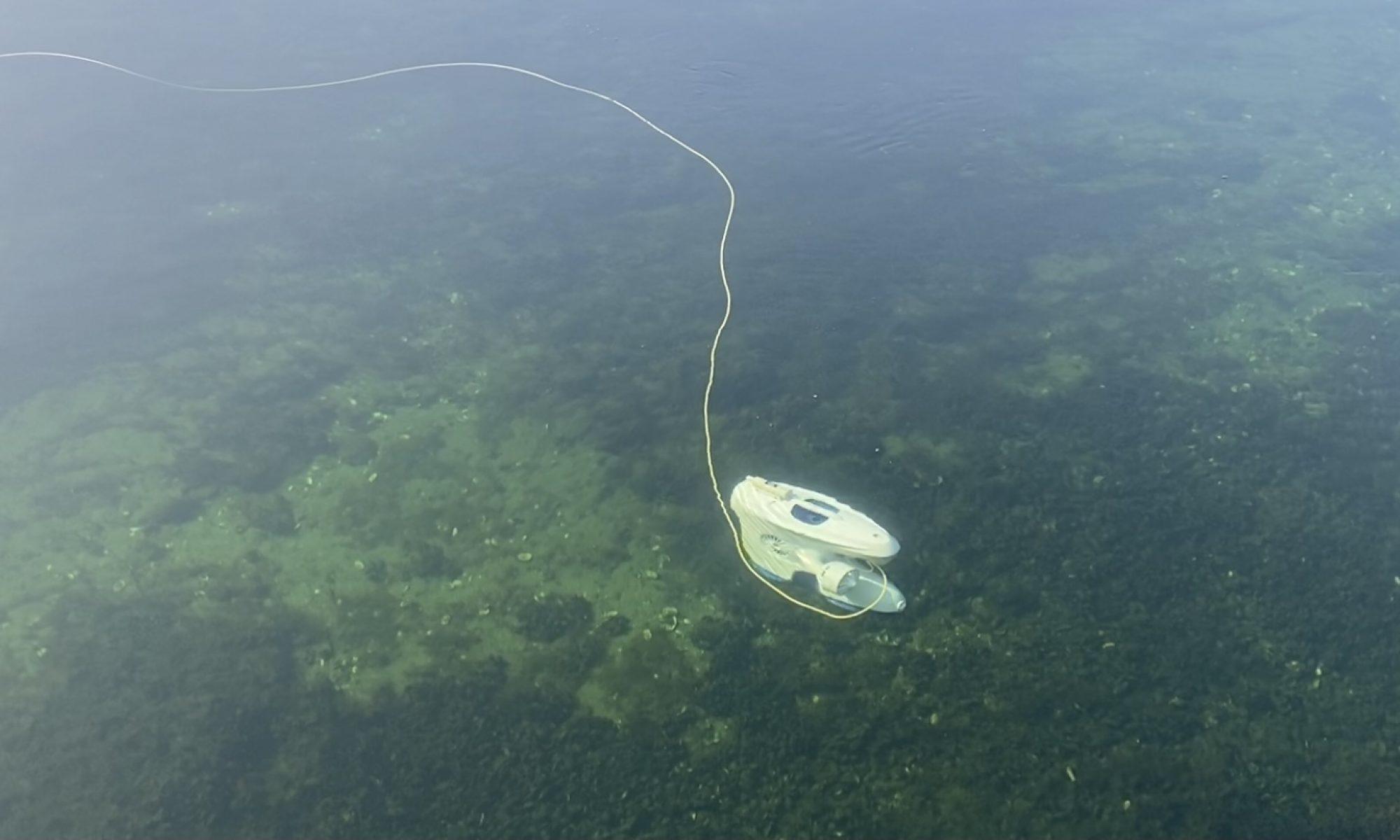
Using ROV (Remotely Operated Vehicle) technology, vessel operators can conduct fast, safe, and non-intrusive inspections of submerged hull areas—without needing to dry-dock. These inspections provide real-time visual data, allowing shipowners and fleet managers to:
- Identify early signs of biofouling or corrosion,
- Evaluate the condition and coverage of anti-fouling coatings,
- Detect structural damage or anomalies,
- Make informed maintenance and cleaning decisions.
Key Benefits of Regular Hull Inspections
- ✅ Optimize hull cleaning schedules
- ✅ Ensure coating effectiveness
- ✅ Minimize fuel consumption and emissions
- ✅ Extend the life of hull protection systems
- ✅ Avoid unexpected downtime or dry-docking costs
Conclusion
In today’s competitive and environmentally regulated maritime landscape, underwater inspections are not optional—they’re essential. They provide the insights needed to maintain hull performance, extend coating lifespan, and reduce operating costs. Whether you’re managing a single vessel or an entire fleet, incorporating routine underwater inspections into your maintenance program is a smart investment in both efficiency and sustainability.
Need a professional underwater hull inspection?
RUI Services uses advanced ROV technology to deliver high-quality underwater inspections across the Netherlands and Europe. Contact us today to schedule your inspection.